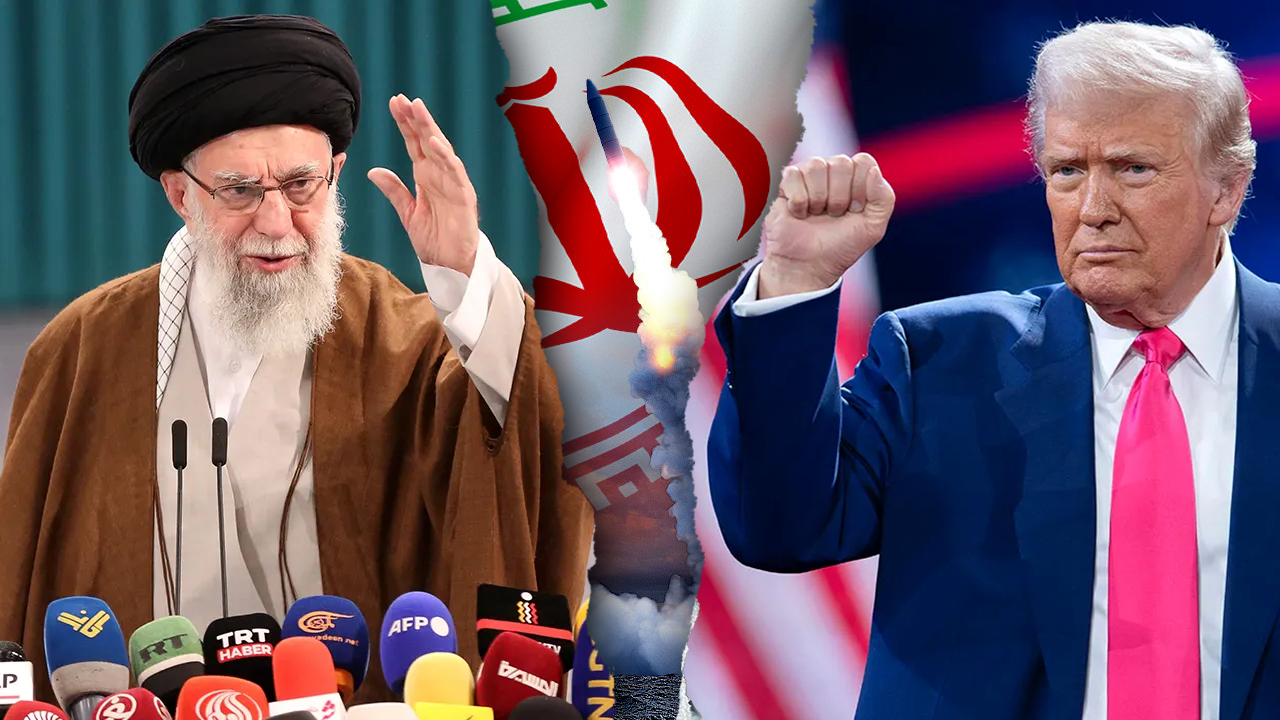
The Middle East conflict has entered its 75th day — and hopes for peace are fading fast. Ceasefire negotiations between the United States and Iran have stalled once again, while President Donald Trump continues pushing Tehran for a broader political and nuclear agreement. The fragile pause in fighting is now being described as being on “life support.”
🌍 A Region Holding Its Breath
What began as a military confrontation has now evolved into a dangerous geopolitical standoff involving oil routes, global powers, and nuclear fears. Diplomats have spent weeks trying to prevent the conflict from exploding into a wider regional war, but negotiations remain deadlocked.
Trump reportedly rejected Tehran’s latest proposal, calling it “totally unacceptable,” while insisting Iran must agree to tighter restrictions on its nuclear program and provide guarantees regarding security in the Strait of Hormuz — one of the world’s most critical oil shipping lanes.
Iran, meanwhile, says Washington must first ease sanctions and stop military pressure before any long-term peace agreement can move forward. Iranian leaders warned they are fully prepared for “any aggression,” signaling the conflict could escalate again at any moment.
⚠️ Strait of Hormuz Becomes the World’s Pressure Point
The Strait of Hormuz has become the center of the crisis. Nearly 20% of global oil shipments pass through the narrow waterway, and disruptions there have already shaken energy markets worldwide.
Iran has reportedly tightened control over passage through the strait, while the United States paused some naval operations in hopes diplomacy could still succeed. Oil prices remain unstable, and countries across the Gulf fear economic disaster if fighting resumes.

🕊️ Ceasefire or Countdown to War?
Behind closed doors, mediators including Pakistan and Oman are reportedly trying to rescue negotiations. But major disagreements remain over sanctions, military activity, and Iran’s nuclear ambitions. Previous rounds of talks in Islamabad and Muscat failed to produce a breakthrough.
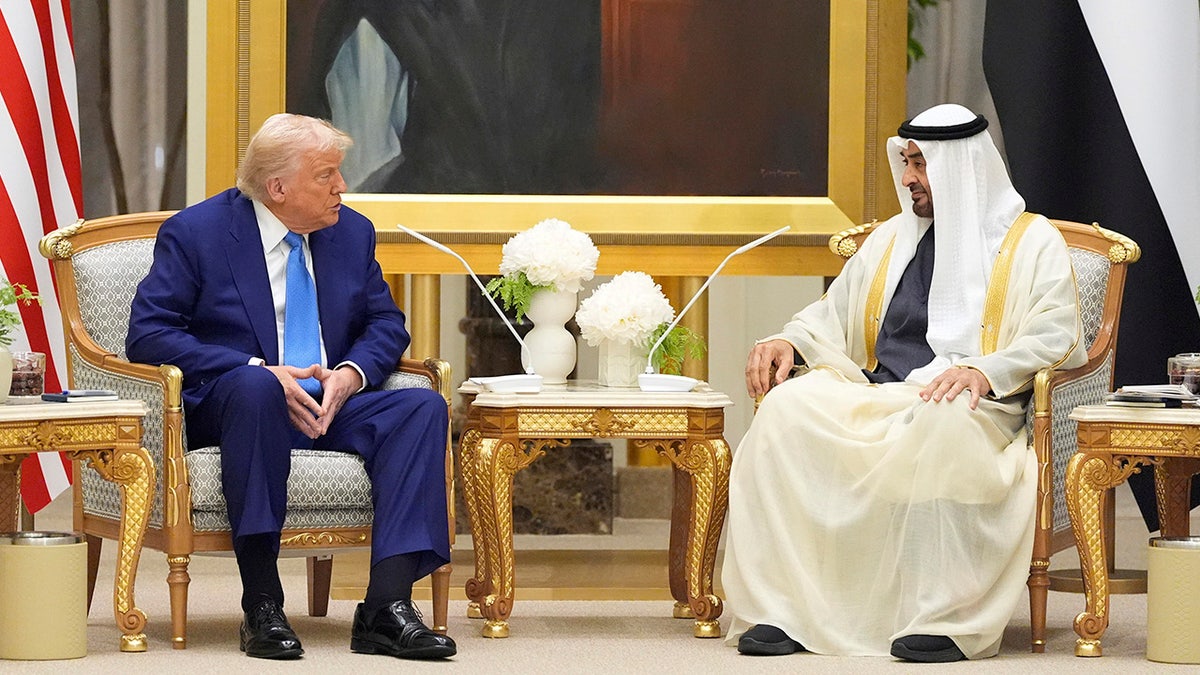
At the same time, Trump’s high-stakes diplomatic visit to China has added another layer of pressure. Analysts believe Washington may seek Beijing’s help in convincing Tehran to return to negotiations and reopen regional shipping routes.

💔 Civilians Continue Paying the Price
While world leaders argue over deals and red lines, ordinary people across the region continue suffering. Cities damaged by strikes are still recovering, families mourn loved ones, and fears of another wave of attacks grow each day.
Images emerging from Tehran show destroyed residential buildings, grieving families at cemeteries, and restoration crews trying to repair historic sites damaged during the fighting.
⏳ What Happens Next?
The coming days may determine whether the Middle East moves toward diplomacy — or slips back into open warfare.
For now, the ceasefire survives only by a thread.


No comments:
Post a Comment